
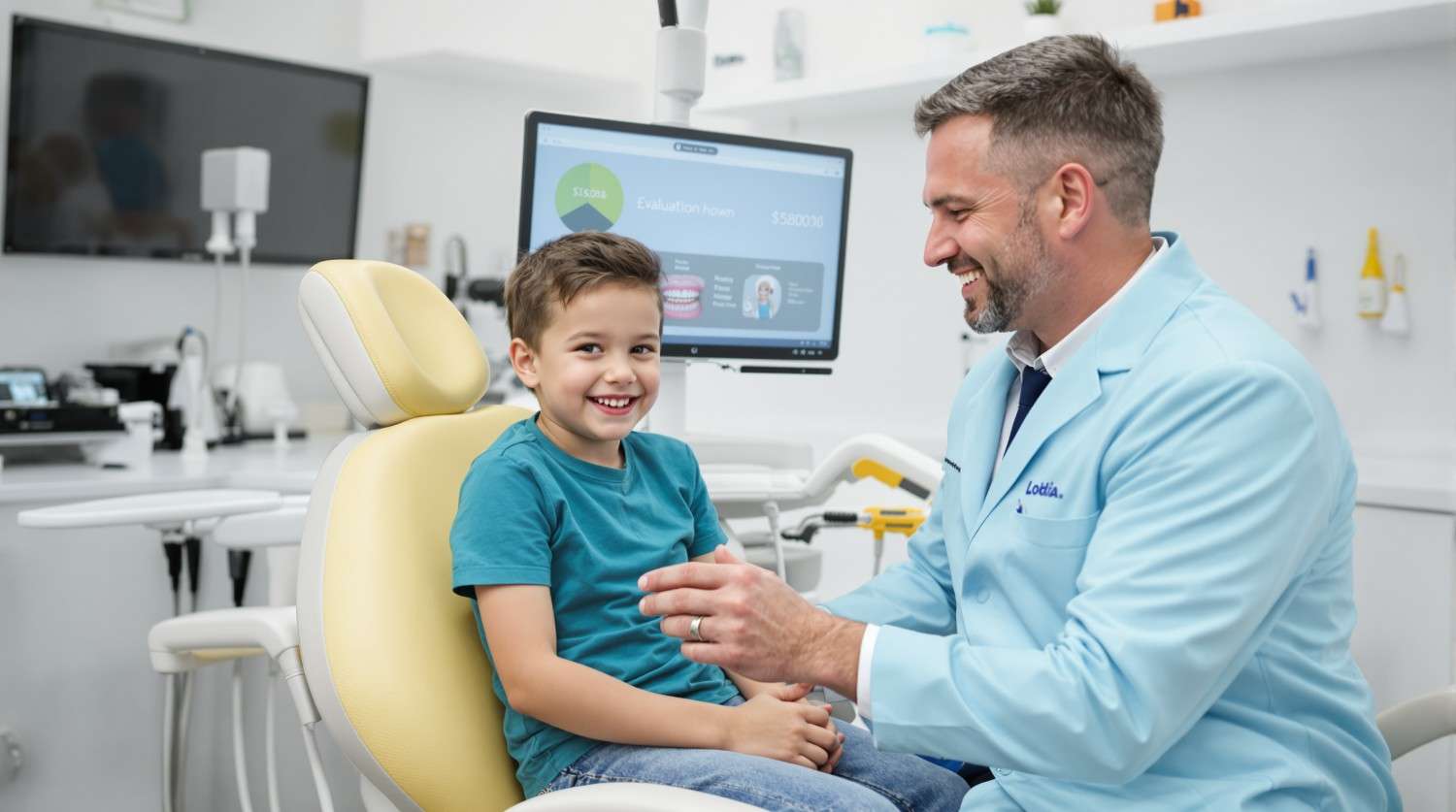
Braces at seven? That might sound early—but it’s not a gimmick. The American Association of Orthodontists recommends that children have their first orthodontic evaluation by age 7. Why? Because catching dental development issues early can make treatment faster, easier, and sometimes even prevent the need for braces altogether.
In this blog, we’ll demystify the process of a child’s orthodontic evaluation—what it includes, why it matters, and how you can prepare your little one for a smooth, stress-free visit. Whether you’re getting ready for your first appointment or simply curious, you’ll leave here knowing exactly what to expect (and what’s next).
Jump To:
TLDR – Quick Guide
Here’s a cheat sheet for what goes down during your child’s orthodontic evaluation:
- Initial health history & dental records review
- A thorough oral and jaw exam
- X-rays and photos (if needed)
- Discussion of potential problems & timelines
- No pressure—just info, options, and a plan
Early evaluations are about being proactive, not about slapping on braces too soon.
Detailed Breakdown: Inside a Child’s Orthodontic Evaluation
1. Why Early Evaluation Is Important
Orthodontists aren’t just checking for crooked teeth—they’re looking at jaw growth, bite alignment, tooth eruption patterns, and signs of airway issues. Starting early means catching problems while a child’s bones are still growing, which can make correction much easier and more effective.
Common issues evaluated include:
- Crossbites
- Overbites or underbites
- Crowded teeth
- Early or late tooth loss
- Thumb sucking impacts
According to the AAO, early treatment can guide jaw growth, lower trauma risk to protruding front teeth, and create space for incoming permanent teeth.
2. What Happens During the Evaluation
Here’s how a typical evaluation flows:
Medical & Dental History Review
Before anything else, the orthodontist will review your child’s health history and any previous dental x-rays or notes. Be ready to share details about thumb-sucking, breathing issues, or speech concerns.
Oral Exam
The orthodontist checks the alignment of your child’s teeth and jaw, how their bite fits together, and looks for any abnormalities in spacing or eruption.
Imaging
X-rays and photographs may be taken to see below the surface—how teeth are positioned, jaw growth patterns, and if any baby teeth are stuck or adult teeth are impacted.
Treatment Planning Discussion
You’ll receive expert insight on whether your child needs treatment now, later, or not at all. Many evaluations result in what’s called a “growth guidance plan”—regular monitoring as your child develops.
3. Does Your Child Need Treatment Now?
Not always! Many kids don’t need treatment until around age 10–12, when more adult teeth have come in. But for others, early intervention (known as Phase 1 treatment) might be recommended to:
- Make room for incoming teeth
- Correct harmful oral habits
- Improve facial symmetry and jaw alignment
Think of it as early coaching before the big game—getting ahead of potential issues.
4. How to Prepare Your Child (and Yourself)
The good news: an orthodontic evaluation is 100% non-invasive and painless. But here’s how to prep for a smoother experience:
- Talk it up: Frame it as a fun milestone, not a scary appointment.
- Bring previous x-rays or dental records if you have them.
- Have questions ready: Ask about costs, duration, and treatment options.
- Schedule during a calm time (not right after school or activities).
5. Choosing the Right Orthodontist
Look for an orthodontist who:
- Specializes in pediatric orthodontics
- Has positive reviews and a welcoming office
- Offers clear communication and customized treatment plans
- Uses modern technology (like 3D imaging and clear aligners)
This is a long-term relationship—make sure it’s one you and your child are both comfortable with.
Key Takeaways
- Early evaluation matters—age 7 is the golden window for proactive orthodontic care.
- It’s quick, painless, and super informative—expect a thorough check-up and expert advice.
- Not every kid needs braces right away—many are simply monitored over time.
- Being prepared helps everyone—especially your child, who will appreciate the calm, supportive environment.
- Find a trusted orthodontist who values education and empowerment, not pressure sales.
A child’s orthodontic evaluation is your ticket to catching dental issues early and setting your child up for a lifetime of confident smiles. It’s not about braces—it’s about foresight, function, and growing up grin-first.
FAQs
1. At what age should my child have an orthodontic evaluation?
The recommended age is 7 years old, even if your child still has baby teeth. This helps catch potential problems with jaw growth and teeth alignment early.
2. Will my child get braces at the first visit?
Most likely, no. The first evaluation is about observation, not immediate treatment. Braces may come later if needed, based on your child’s development.
3. Is the evaluation painful for kids?
Not at all. It’s a visual and photographic exam that doesn’t involve needles or drilling. Kids typically find it easy and stress-free.
4. What if my child’s teeth look fine—should we still go?
Yes! Even if their smile looks straight, issues with bite alignment or jaw development may still exist beneath the surface.
5. How long does the orthodontic evaluation take?
Most evaluations take 30 to 60 minutes. If X-rays and imaging are involved, it may take a bit longer, but it’s all done in one visit.