
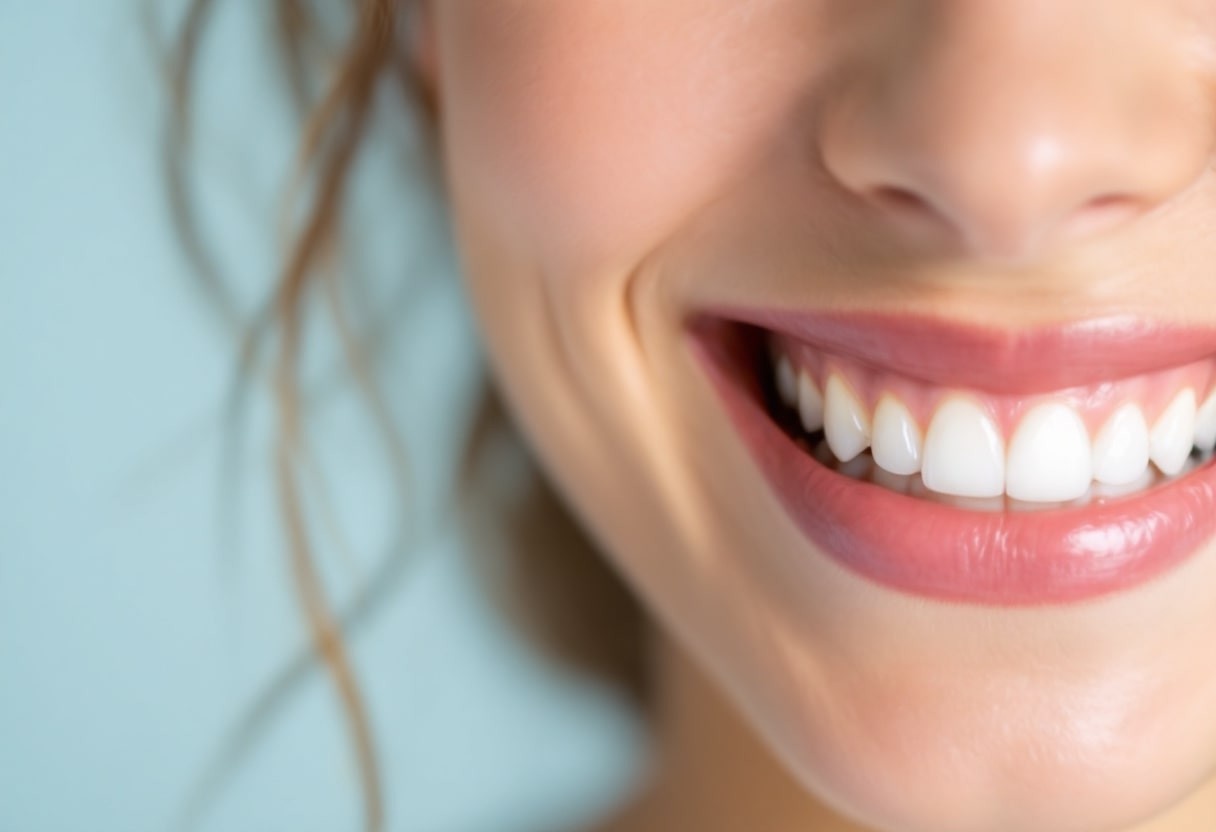
Teeth whitening and other cosmetic dental treatments can transform your smile, but maintaining the results requires proper aftercare. Whether you’ve had professional whitening, veneers, or bonding, certain habits can help keep your teeth bright and healthy.
Following these post-treatment care tips can help extend the longevity of your results and protect your investment in your smile.
Jump To:
TL;DR Quick Guide
- Avoid staining foods and drinks for at least 48 hours after whitening.
- Brush with a soft-bristled toothbrush and fluoride toothpaste.
- Maintain results by following a good oral hygiene routine and visiting your dentist regularly.
What to Avoid After a Teeth Whitening Treatment
1. Stay Away from Staining Foods and Drinks
- The first 48 hours after whitening are crucial, as teeth are more prone to staining.
- Avoid coffee, tea, red wine, dark sodas, berries, soy sauce, and tomato-based sauces.
- If you must drink coffee or tea, use a straw to minimize contact with your teeth.
2. Limit Acidic Foods
- Whitening treatments temporarily weaken enamel, making teeth more sensitive to acids.
- Avoid citrus fruits, vinegar-based dressings, soda, and pickled foods to prevent enamel erosion.
3. Do Not Smoke or Use Tobacco Products
- Tobacco can stain teeth quickly and reverse whitening effects.
- If quitting is difficult, consider nicotine patches or alternatives to reduce staining risks.
4. Avoid Extremely Hot or Cold Foods
- Sensitivity is common after whitening, so limit ice-cold drinks and hot soups for the first few days.
- Use lukewarm water for drinking and rinsing your mouth.
Daily Oral Care Tips for Maintaining Whitened Teeth
1. Brush Gently Twice a Day
- Use a soft-bristled toothbrush to avoid irritating sensitive teeth.
- Choose a non-abrasive fluoride toothpaste to protect enamel.
2. Floss Daily
- Flossing prevents plaque buildup between teeth, which can cause discoloration over time.
- Be gentle, especially if your gums feel sensitive after whitening.
3. Use a Whitening or Sensitivity-Reducing Toothpaste
- If you experience sensitivity, use a toothpaste designed for sensitive teeth.
- Whitening toothpaste with mild abrasives can help maintain brightness between treatments.
4. Rinse with Water After Eating
- If you consume staining foods or drinks, rinse your mouth with water immediately.
- Swishing with water helps prevent pigment absorption into enamel.
5. Stay Hydrated
- Drinking plenty of water promotes saliva production, which helps protect enamel.
- Avoid dry mouth, as it can lead to discoloration and cavities.
Additional Care Tips for Other Cosmetic Treatments
If You Have Veneers or Bonding
- Avoid biting on hard foods, ice, or non-food items to prevent damage.
- Regularly clean veneers or bonded teeth with a non-abrasive toothpaste.
- Visit your dentist for professional polishing to maintain the smooth surface.
If You Have Dental Crowns or Bridges
- Maintain proper oral hygiene to prevent plaque from forming around restorations.
- Use a water flosser if traditional flossing is difficult.
- Avoid sticky foods that can loosen or damage restorations.
If You Have Invisalign or Clear Aligners
- Rinse aligners regularly and brush them with a soft toothbrush and mild soap.
- Avoid drinking coffee, tea, or colored beverages while wearing aligners.
- Keep up with scheduled dental check-ups for proper maintenance.
How to Extend Your Results
1. Schedule Regular Dental Cleanings
- Professional cleanings help remove surface stains and keep your teeth looking bright.
- Visit your dentist every six months or as recommended.
2. Use Whitening Touch-Up Treatments
- Over-the-counter whitening strips or professional take-home kits can help maintain brightness.
- Ask your dentist about safe touch-up options to avoid over-whitening.
3. Maintain a Balanced Diet
- Eat crunchy fruits and vegetables like apples and carrots to naturally clean teeth.
- Include calcium-rich foods to strengthen enamel and maintain oral health.
4. Protect Your Teeth from Staining Habits
- If you drink coffee, tea, or wine frequently, rinse your mouth or brush afterward.
- Consider using a straw to minimize contact with teeth.
Key Takeaways
- Dairy, leafy greens, and crunchy vegetables support strong teeth and healthy gums.
- Sugary, acidic, and sticky foods increase the risk of cavities and enamel erosion.
- Drinking water and choosing whole foods can improve oral health.
- Good eating habits and proper dental care help protect teeth long term.
- Regular dental check-ups ensure early detection and prevention of dental issues.
FAQs
1. Can I eat citrus fruits if they are bad for my teeth?
Yes, but eat them in moderation and rinse your mouth with water afterward to reduce acid exposure.
2. Are all dairy products good for teeth?
Dairy products like milk, cheese, and plain yogurt are great for teeth, but sugary dairy items like flavored yogurts can contribute to decay.
3. What is the worst drink for teeth?
Soda is one of the worst drinks because it contains both sugar and acid, which weaken enamel and lead to cavities.
4. Does coffee stain teeth?
Yes, coffee can stain teeth over time. Drinking water after coffee or using a straw can help reduce staining.
5. Can I reverse enamel erosion caused by acidic foods?
Enamel cannot grow back, but using fluoride toothpaste and avoiding further acid exposure can help strengthen and protect remaining enamel.