
Table of Contents
What is Endodontics?
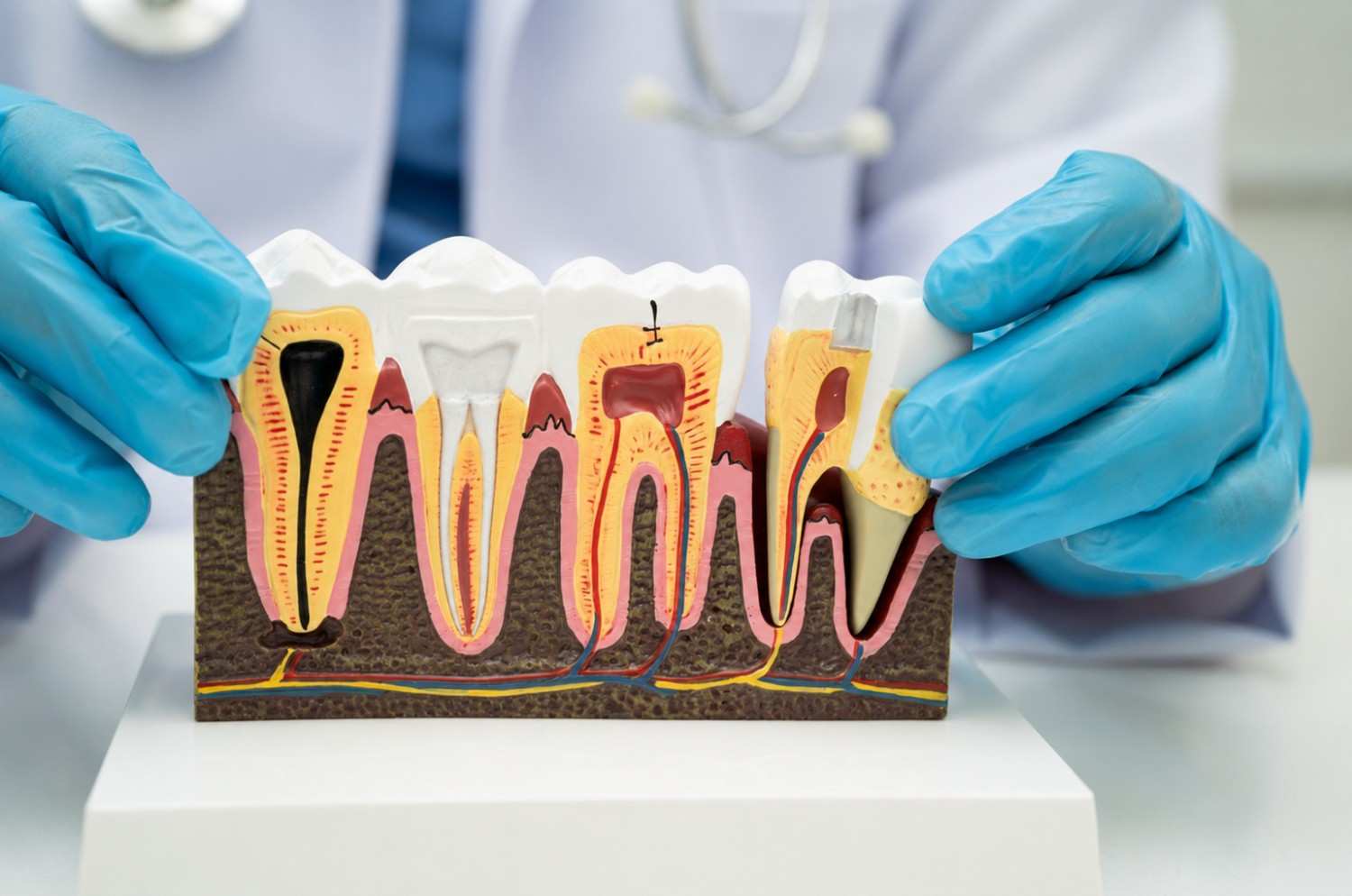
Endodontics is a specialized branch of dentistry that focuses on treating the inside of the tooth, particularly the dental pulp and root canals. When the pulp inside a tooth becomes infected, inflamed, or damaged due to decay, cracks, trauma, or injury, endodontic treatment helps save the natural tooth and prevent extraction.
One of the most common procedures in endodontics is root canal treatment, which removes infected tissue inside the tooth, disinfects the area, and seals it to restore oral health and function. Modern endodontic procedures are more comfortable and effective than ever, helping patients relieve pain while preserving their natural smile.
What Is an Endodontist?
An endodontist is a dental specialist who focuses on diagnosing and treating problems involving the inner structures of the teeth. After completing dental school, endodontists receive additional years of advanced training specifically in root canal therapy, dental pain management, and procedures involving the tooth pulp and roots.
Because of their specialized training, endodontists often handle more complex cases involving severe tooth infections, damaged roots, traumatic dental injuries, or retreatment of failed root canals.
Endodontists also use advanced diagnostic tools and specialized equipment to improve treatment precision and patient comfort. Their expertise allows them to identify the source of tooth pain more accurately and perform procedures that help preserve natural teeth while reducing the risk of future complications.
What Does an Endodontist Do?
An endodontist performs procedures designed to save natural teeth and eliminate tooth pain caused by infection or inflammation inside the tooth. Their treatments may include root canal therapy, endodontic retreatment, treatment for cracked teeth, and surgical procedures such as apicoectomy.
They also use advanced dental technology to diagnose hidden tooth pain and detect infections that may not appear during a standard dental examination. The primary goal of an endodontist is to help patients keep their natural teeth whenever possible.
When Do You Need an Endodontist?
You may need an endodontist if you experience symptoms that suggest infection or damage inside the tooth. Common reasons patients are referred to an endodontist include:
- Severe or persistent tooth pain
- Lingering sensitivity to hot or cold foods and drinks
- Swollen or tender gums
- Deep tooth decay reaching the pulp
- Cracked or fractured teeth
- Dental trauma or injury
- Repeated dental procedures on the same tooth
- Signs of infection or abscess formation
Ignoring symptoms of tooth infection can lead to worsening pain, abscess formation, bone loss, and eventual tooth loss. Seeking treatment early can help save the tooth and prevent more extensive dental procedures later. Research published in the Journal of the American Dental Association (JADA) found that 94.4% of nonsurgically treated teeth remained functional after endodontic therapy. Another study published through PubMed Central (PMC) also showed that modern endodontic treatment is highly predictable and effective in preserving natural teeth for many years.
Common Treatments Performed by an Endodontist
Endodontists perform a variety of specialized procedures focused on saving natural teeth and treating problems inside the tooth. Some of the most common treatments performed by an endodontist include:
- Root Canal Therapy – Removes infected or inflamed pulp inside the tooth to eliminate pain and save the natural tooth.
- Endodontic Retreatment – Treats teeth that did not heal properly after a previous root canal procedure.
- Apicoectomy – A minor surgical procedure that removes the tip of the tooth root and surrounding infected tissue.
- Treatment for Cracked Teeth – Diagnoses and treats cracks that extend into the inner layers of the tooth.
- Traumatic Dental Injury Treatment – Helps repair teeth damaged by accidents, sports injuries, or trauma.
- Internal Bleaching – Improves discoloration in teeth that have darkened after root canal treatment or injury.
- Dental Abscess Treatment – Removes infection and helps prevent the spread of bacteria to surrounding tissues.
These treatments are designed to relieve pain, stop infection, and preserve the natural tooth whenever possible.
Is an Endodontist the Same as a Dentist?
An endodontist and a general dentist are not the same, although both are trained dental professionals. A general dentist provides routine dental care such as cleanings, fillings, crowns, exams, and preventive treatments. An endodontist, on the other hand, specializes specifically in treating the inside of the tooth and performing root canal procedures.
Many general dentists can perform basic root canals, but patients with more complicated cases are often referred to an endodontist for specialized care.
How Endodontic Treatment Helps Save Natural Teeth?
Saving a natural tooth is usually the best option for maintaining long-term oral health. Endodontic treatment removes infection while preserving the outer structure of the tooth, allowing patients to continue chewing and smiling naturally.
Keeping your natural tooth also helps prevent neighboring teeth from shifting, maintains jawbone health, and avoids the need for more complex treatments such as dental implants or bridges.
Preserving your natural teeth can also improve overall comfort and functionality compared to tooth replacement options. Natural teeth help maintain proper bite alignment, support clear speech, and provide the strength needed for everyday eating and chewing. With proper dental care and regular checkups, teeth treated with endodontic procedures can often remain healthy and functional for many years.
Why Choose Toschi Dental for Endodontic Care?
At Toschi Dental, we understand how stressful tooth pain and dental infections can be. Our experienced dental team provides compassionate care and advanced treatment options to help patients relieve discomfort, protect their oral health, and save their natural teeth whenever possible.
Whether you are experiencing severe tooth pain, sensitivity, swelling, or signs of infection, our team uses modern dental technology to diagnose the issue accurately and recommend the most effective treatment plan for your needs. From root canal evaluations to restorative dental care, we focus on providing comfortable and personalized treatment in a welcoming environment.
Early treatment can make a significant difference in preventing complications and preserving your smile. If you think you may need endodontic treatment or are experiencing symptoms of a tooth infection, scheduling a dental evaluation as soon as possible is important.
Contact Toschi Dental today to schedule an appointment and learn more about your treatment options.

Conclusion
Endodontics plays an important role in saving natural teeth and treating infections that affect the inside of the tooth. From root canal therapy to treating dental trauma and severe tooth pain, endodontic procedures help restore oral health while preventing the need for tooth extraction.
Understanding the role of an endodontist and recognizing the warning signs of tooth infection can help patients seek treatment before the problem becomes more serious. With modern dental technology and advanced treatment techniques, procedures like root canals are now more comfortable, effective, and successful than ever.
If you are experiencing persistent tooth pain, sensitivity, swelling, or signs of infection, scheduling a dental evaluation early can help protect your smile and prevent future complications.
FAQs About Endodontics
1. What is endodontics used for?
Endodontics is used to treat infections and damage inside the tooth to help save natural teeth.
2. Is a root canal considered endodontics?
Yes, root canal therapy is one of the most common endodontic procedures.
3. What does an endodontist specialize in?
An endodontist specializes in treating the dental pulp and root canals inside the tooth.
4. Can a dentist perform a root canal?
Yes, many general dentists perform root canals, but complex cases may be referred to an endodontist.
5. How do I know if I need a root canal?
Persistent tooth pain, swelling, sensitivity, or infection may indicate the need for a root canal.
6. Are root canals safe?
Yes, root canal treatment is a safe and highly effective procedure for saving infected teeth.
7. How long does root canal recovery take?
Most patients recover from a root canal within a few days.
8. Can an infected tooth heal on its own?
No, an infected tooth usually requires professional dental treatment to remove the infection.