
Table of Contents
Losing a tooth can affect more than just your smile, but dental implants offer a modern and reliable solution for replacing missing teeth, and understanding the different types of dental implants can help you choose the best treatment for your needs.
Let’s take a closer look at the different types of dental implants and how a dentist determines the best treatment for your needs.
What Are Dental Implants?
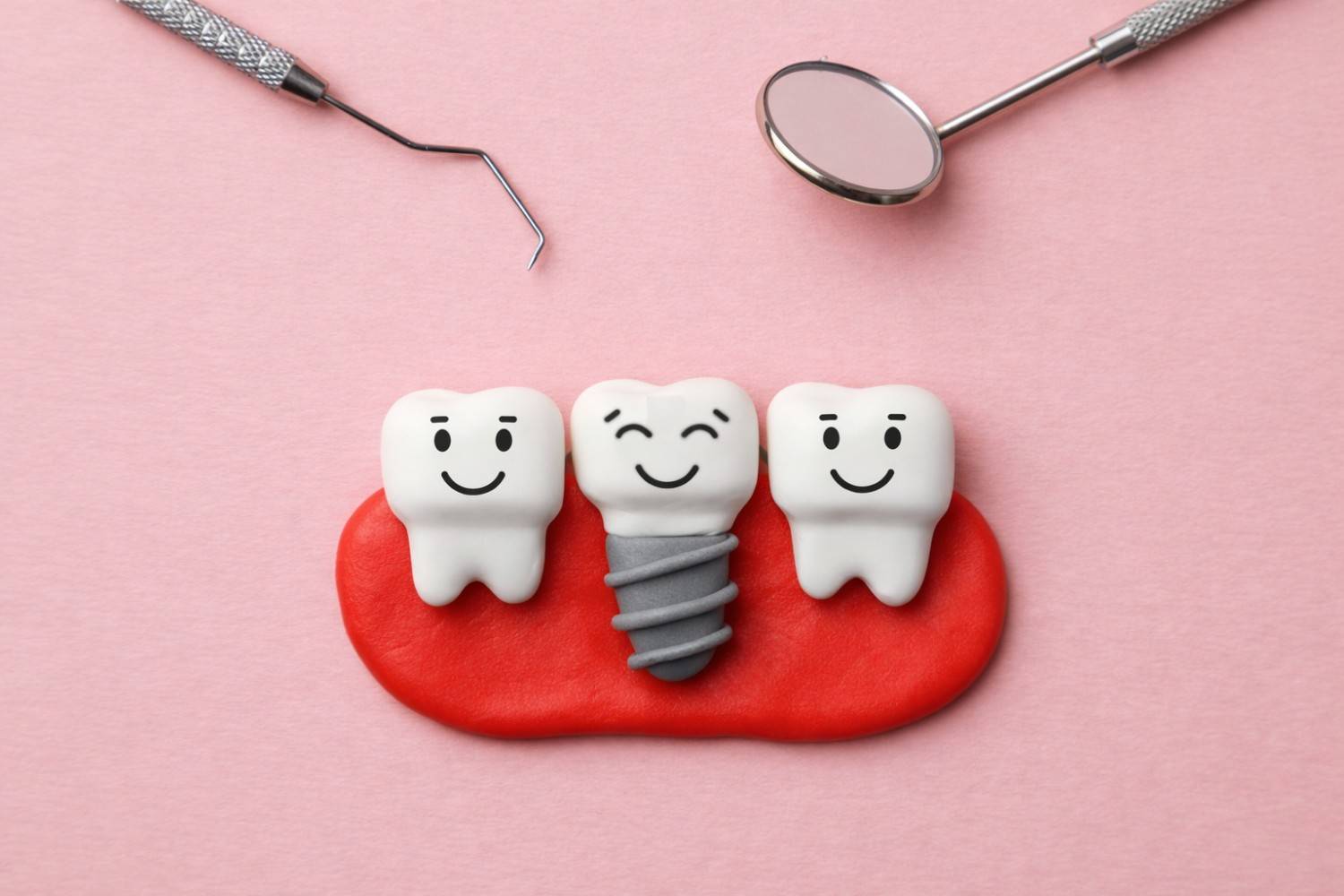
Dental implants are artificial tooth roots designed to replace missing teeth. They are small posts, usually made of titanium, that are surgically placed into the jawbone. Once the implant is placed, it gradually bonds with the surrounding bone in a natural process called osseointegration. This creates a strong and stable foundation for a replacement tooth.
Once the implant has fully healed and fused with the bone, a custom-made crown is attached to the top of the implant. The crown is designed to match the color, shape, and size of your natural teeth, creating a seamless and natural-looking smile.
Types of Dental Implants
1. Endosteal Dental Implants
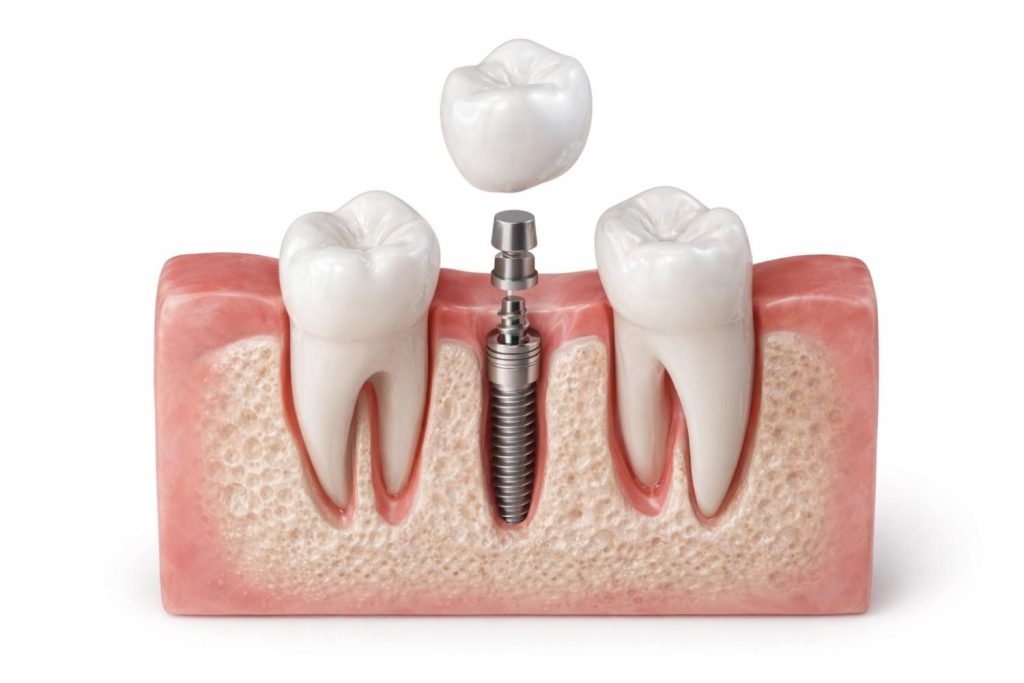
Endosteal implants are the most common type of dental implant used today. These implants are placed directly into the jawbone and act as artificial tooth roots. They are typically made of titanium and are shaped like small screws.
Once the implant is placed, the bone gradually fuses with the implant through a process called osseointegration. This creates a strong and stable foundation for the replacement tooth. After healing, a crown is attached to the implant, restoring the look and function of the missing tooth.
Endosteal implants are often recommended for patients who have healthy jawbone density and good overall oral health. They can support a single crown, a dental bridge, or even a full arch of replacement teeth. Because of their strength and long-term success rate, they are considered the gold standard in dental implant treatment.
2. Subperiosteal Dental Implants
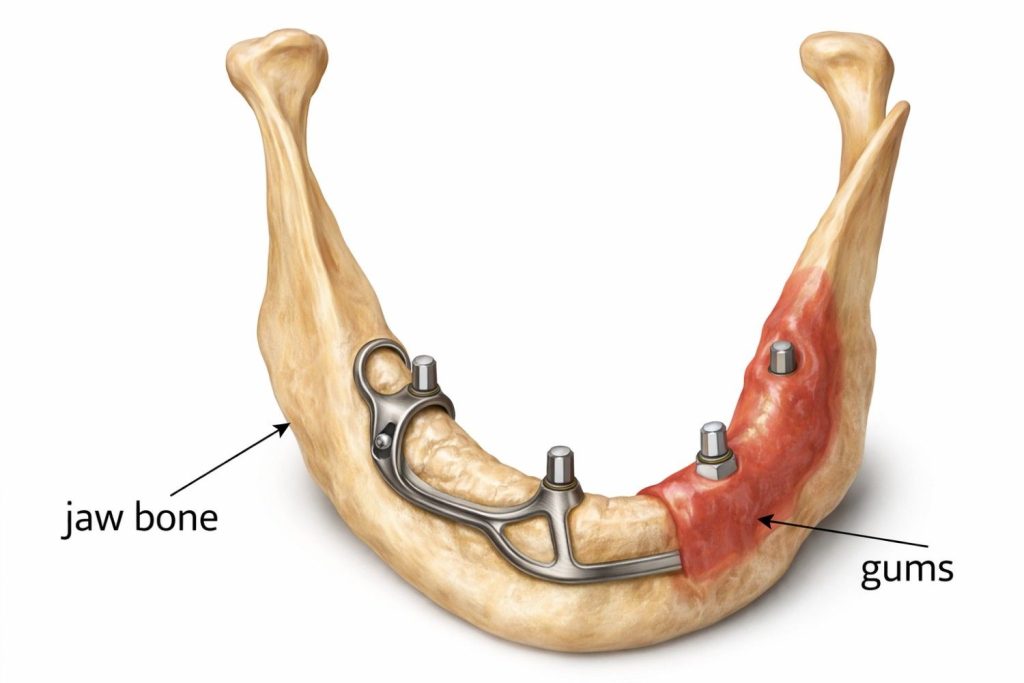
Subperiosteal implants are placed on top of the jawbone but underneath the gum tissue. Instead of being inserted into the bone, a metal framework sits above the bone and holds the replacement tooth in place.
This type of implant may be recommended for patients who do not have enough jawbone density and prefer not to undergo bone grafting. Subperiosteal implants can provide stability for replacement teeth without requiring the implant to be embedded deep within the bone.
While they are less commonly used today compared to endosteal implants, they can still be a helpful option for certain patients with specific anatomical conditions.
3. Zygomatic Dental Implants
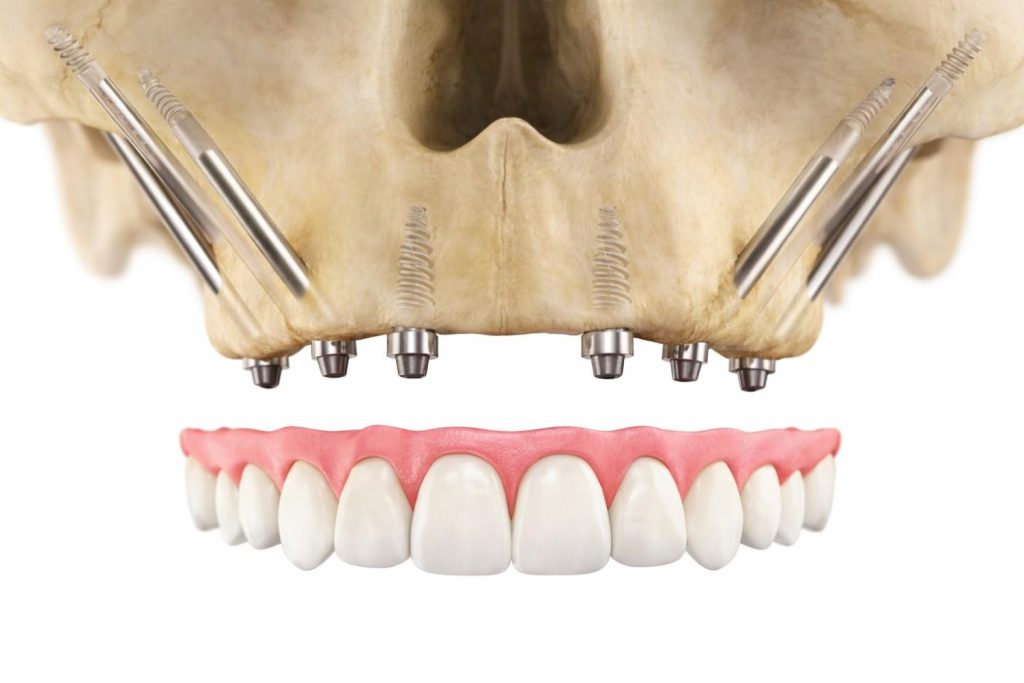
Zygomatic implants are a more advanced type of dental implant used when patients have severe bone loss in the upper jaw. Instead of anchoring into the jawbone, these implants are secured into the cheekbone, also known as the zygomatic bone.
Because the cheekbone is denser than the upper jawbone, it can provide strong support for implants even when the jawbone has deteriorated. Zygomatic implants are typically used in complex cases where traditional implants would not be possible without extensive bone grafting.
This treatment requires specialized training and is usually performed by experienced implant specialists.
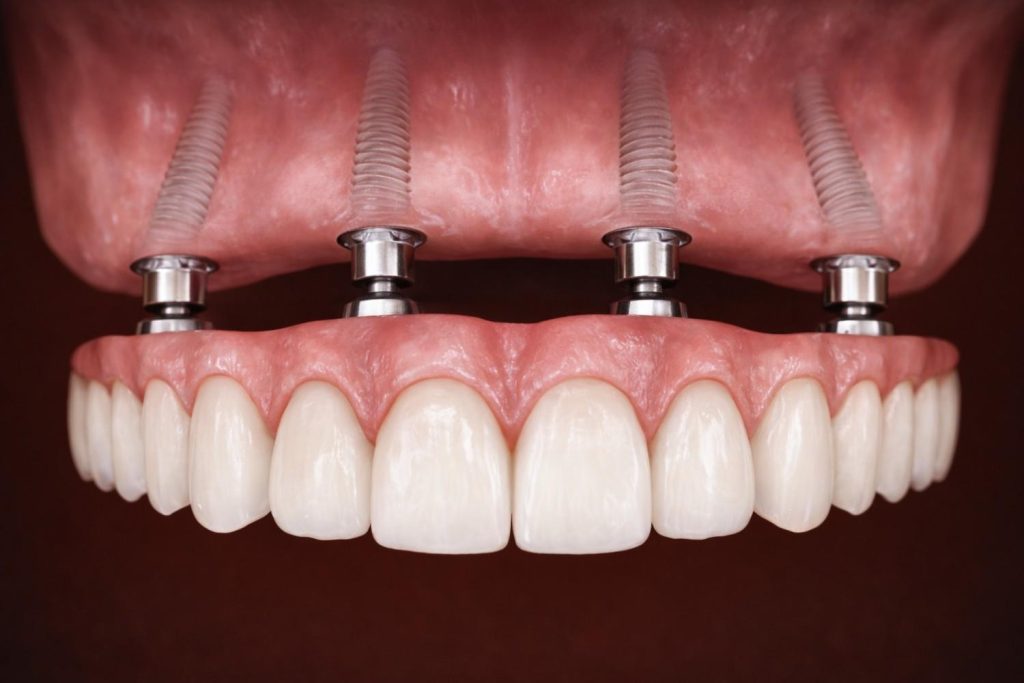
4. All-on-4 Dental Implants
All-on-4 implants are a popular solution for patients who have lost most or all of their teeth. Instead of placing an implant for each missing tooth, four strategically positioned implants are used to support a full arch of replacement teeth.
This technique allows patients to restore an entire row of teeth with fewer implants, which can reduce treatment time and cost. Many patients also appreciate that All-on-4 implants can sometimes provide same-day teeth, meaning a temporary set of teeth may be placed shortly after surgery.
All-on-4 implants offer a stable and natural-looking alternative to traditional dentures and allow patients to enjoy a confident smile again.
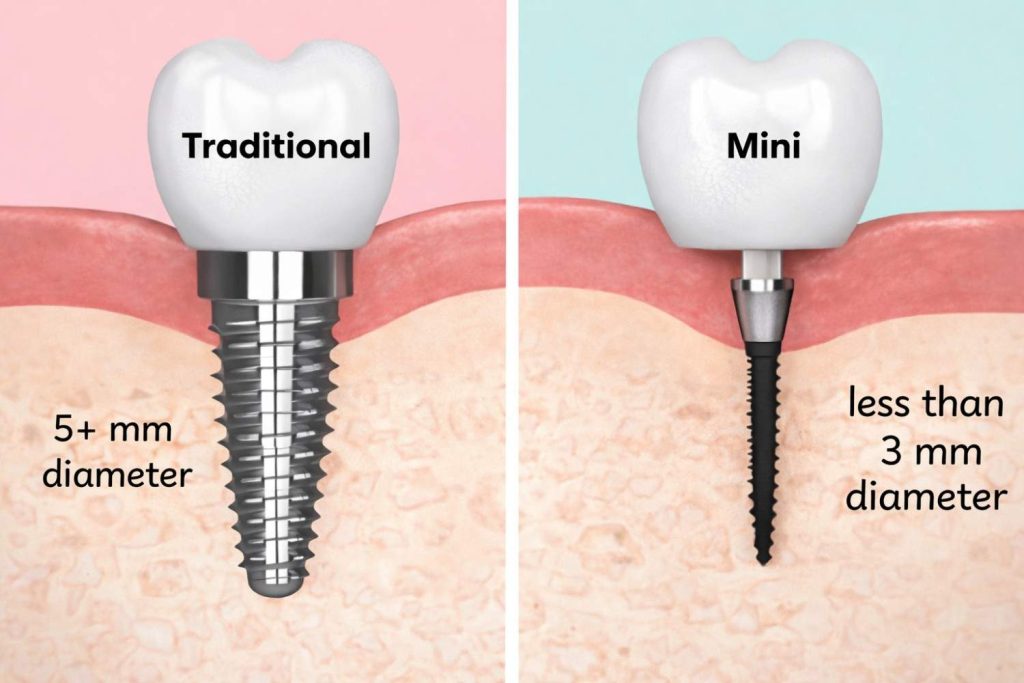
5. Mini Dental Implants
Mini dental implants are smaller in diameter than traditional implants. They are often used when there is limited space in the mouth or when the jawbone cannot support a full-sized implant.
Because of their smaller size, mini implants may require less invasive surgery and shorter healing time. They are commonly used to stabilize dentures or replace small teeth in areas where standard implants may not fit.
Although they may not be suitable for every case, mini implants can provide an effective and affordable solution for certain patients.
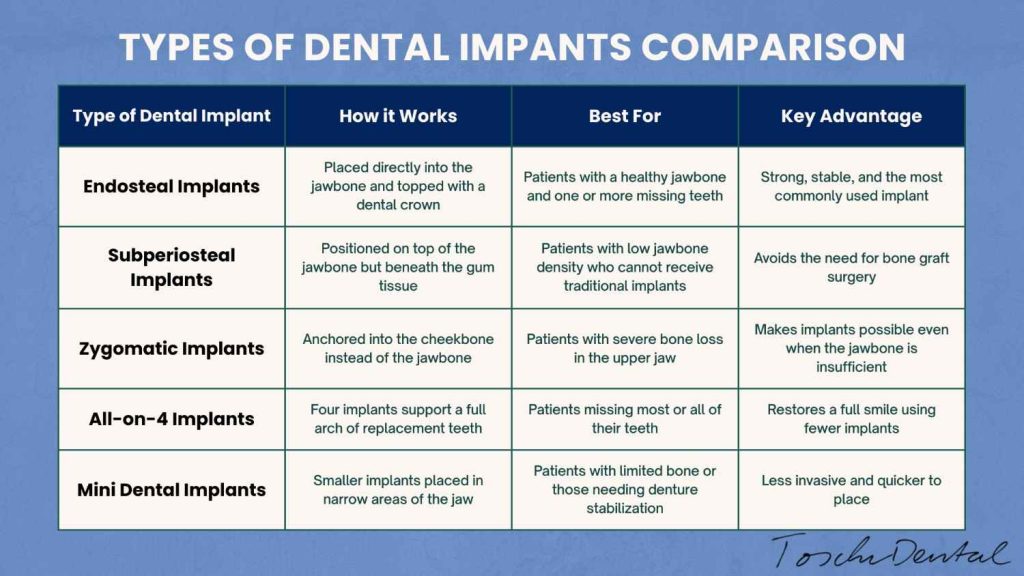
Differences Between the Types of Dental Implants and Which One May Be Right for You
To better understand the differences between these options, the table below provides a simple comparison.
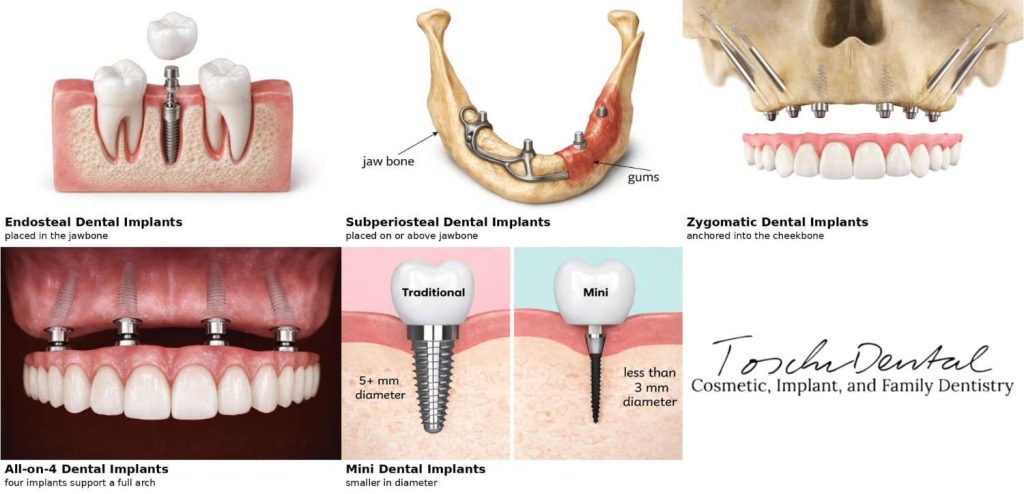
Choosing the right dental implant ultimately depends on your oral health, jawbone condition, and treatment goals. A dental examination and imaging scans help determine which implant type will provide the best long-term results. Your dentist will guide you through the process and recommend the option that restores both function and appearance while keeping your smile healthy for years to come.
Restore Your Smile with Dental Implants at Toschi Dental
If you are considering dental implants in San Jose, CA, the team at Toschi Dental is here to help. Our experienced dentists use advanced technology and personalized treatment planning to restore missing teeth with natural-looking results.
At Toschi Dental, we understand that every patient’s smile is unique. That is why we carefully evaluate your oral health and recommend the most suitable implant option based on your needs and goals. Whether you need to replace a single tooth or restore an entire smile, our team is committed to providing comfortable and high-quality care.
Dental implants can transform the way you eat, speak, and smile. If you are ready to explore your options, schedule a consultation with Toschi Dental today and take the first step toward restoring your confidence and oral health.
FAQs About Dental Implants
1. How long do dental implants last?
Dental implants can last 20 years or more and often a lifetime with proper care.
2. What are screwless dental implants?
Screwless dental implants use a hidden attachment instead of a visible screw for a more natural look.
3. Do dental implants hurt?
Dental implant procedures are usually not painful because they are done under anesthesia.
4. Are dental implants safe?
Dental implants are a safe and highly successful treatment when done by a qualified dentist.
5. Are dental implants permanent?
Dental implants are designed to be a long-term tooth replacement solution.
6. How do you care for dental implants?
Dental implants are cared for the same way as natural teeth through brushing, flossing, and regular dental visits.
7. Do dental implants look natural?
Dental implants are designed to match natural teeth in color, shape, and appearance.