
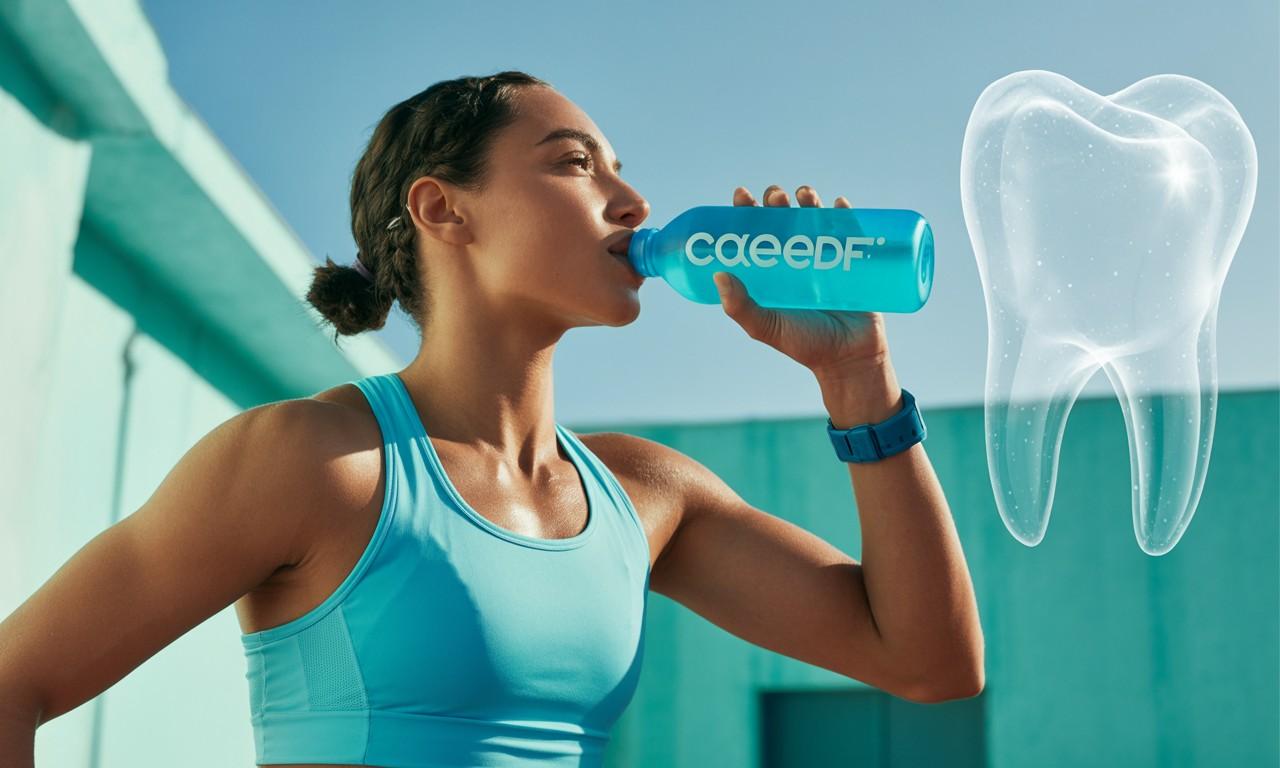
Whether you’re on the field, in the gym, or finishing a long run, reaching for a sports drink seems like a healthy move. But while they may boost hydration and replenish electrolytes, these beverages are also a leading cause of dental erosion from sports drinks—especially in active teens and adults. In this article, we’ll explain how these drinks affect your teeth and what you can do to protect your enamel without sacrificing performance.
Jump To:
TLDR Quick Guide
- Sports drinks are highly acidic and often loaded with sugar
- They erode enamel and raise your risk for cavities and tooth sensitivity
- Teens and athletes who sip frequently are especially vulnerable
- Rinsing with water and using a straw can reduce damage
- Dentists recommend limiting use and reinforcing enamel with fluoride
What Is Dental Erosion?
Dental erosion is the loss of tooth enamel due to acid—not bacteria. Unlike cavities, which result from plaque and sugar combining to produce acid, erosion is caused by direct exposure to acids, like those found in:
- Sports drinks
- Sodas and energy drinks
- Citrus juices
- Vinegar-based or carbonated beverages
Over time, this acid softens and wears away the enamel, leading to:
- Tooth sensitivity
- Yellowing (as dentin is exposed)
- Rounded or transparent edges
- Increased risk of decay and fractures
Why Sports Drinks Are So Problematic
1. High Acidity
Most sports drinks have a pH between 2.9 and 4.0. Enamel begins to demineralize at a pH below 5.5, so every sip contributes to breakdown.
2. Sugar Content
Many brands contain 20–35 grams of sugar per bottle. Sugar fuels bacteria that produce even more acid—leading to a double assault on your teeth.
3. Sip Frequency
Athletes tend to sip sports drinks over extended periods, keeping the acid levels in the mouth high for longer. This gives enamel no time to recover.
4. Dry Mouth During Exercise
Saliva helps neutralize acids. But during exercise, your mouth is often dry, meaning even less protection against erosion.
Who’s Most at Risk?
- Teens and young adults with developing enamel
- Student-athletes and gymgoers with high sports drink use
- People with orthodontics, which trap acid around brackets
- Anyone with dry mouth, including those on certain medications
How to Prevent Enamel Erosion Without Sacrificing Performance
- Limit frequency: Drink sports drinks only when truly needed—e.g., prolonged, high-intensity training
- Use a straw or squeeze bottle: Directs liquid past the teeth to minimize contact
- Rinse with water after drinking: Helps neutralize acids and flush sugars
- Wait 30 minutes to brush: Brushing immediately can wear away softened enamel
- Use fluoride toothpaste and rinses: Strengthens enamel and protects against acid damage
- Chew sugar-free gum post-workout to boost saliva flow
Better Alternatives to Sports Drinks
- Water: Ideal for hydration during most activities
- Coconut water: Lower acidity with natural electrolytes
- Homemade electrolyte drinks with diluted juice, salt, and water
- Flavored water with no sugar or citric acid
Unless you’re exercising intensely for over an hour, plain water is usually enough.
Key Takeaways
- Sports drinks are acidic and sugary—two key contributors to enamel erosion
- Teens, athletes, and frequent sippers face the highest dental risk
- Damage includes enamel loss, sensitivity, yellowing, and decay
- Smart habits—like rinsing, limiting intake, and fluoride use—can reduce harm
- Ask your dentist about enamel-reinforcing treatments if you’re a regular user
FAQs
Are sugar-free sports drinks safe for my teeth?
Not entirely. Even without sugar, they’re still acidic and can erode enamel.
Is it okay to brush right after drinking a sports drink?
No. Wait at least 30 minutes to allow enamel to re-harden before brushing.
Do all sports drinks cause erosion?
Yes, most are acidic—even those marketed as “natural” or “low-calorie.” Always check the pH and sugar content.
Can enamel grow back once it’s eroded?
No. Enamel doesn’t regenerate. However, fluoride treatments can help remineralize early damage.
What can dentists do for dental erosion?
Dentists can apply fluoride varnishes, prescribe remineralizing toothpaste, or use bonding to protect worn areas.